Modular Microservices & API Gateway
Each capability—plans, materials, physics, 3D—runs as a service behind a gateway with versioned endpoints. Scale independently, ship faster, and keep boundaries clean for long-term maintainability.
 G-ATAI
Models & engines / Design
GARC
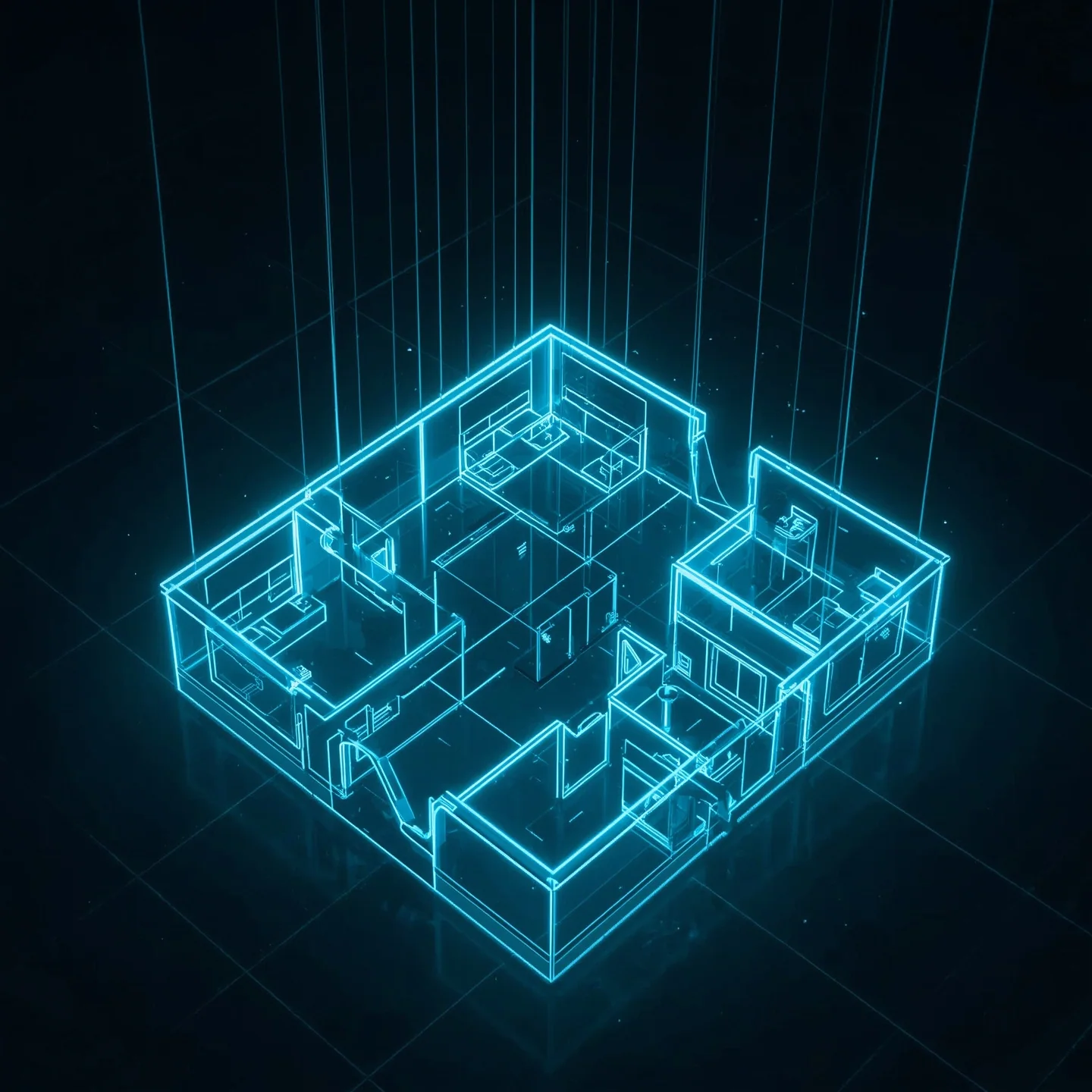
A computational design platform connecting a floor-plan generator beta with a broader architecture for materials, physics, and 3D workflows.
Discuss your project
GARC
Each capability—plans, materials, physics, 3D—runs as a service behind a gateway with versioned endpoints. Scale independently, ship faster, and keep boundaries clean for long-term maintainability.
Submit jobs asynchronously, track progress over WebSockets, and chain tasks—e.g., Text → Floor Plan (Beta) → Material suggestions → Physics checks → 3D export—using dependency graphs and retries.
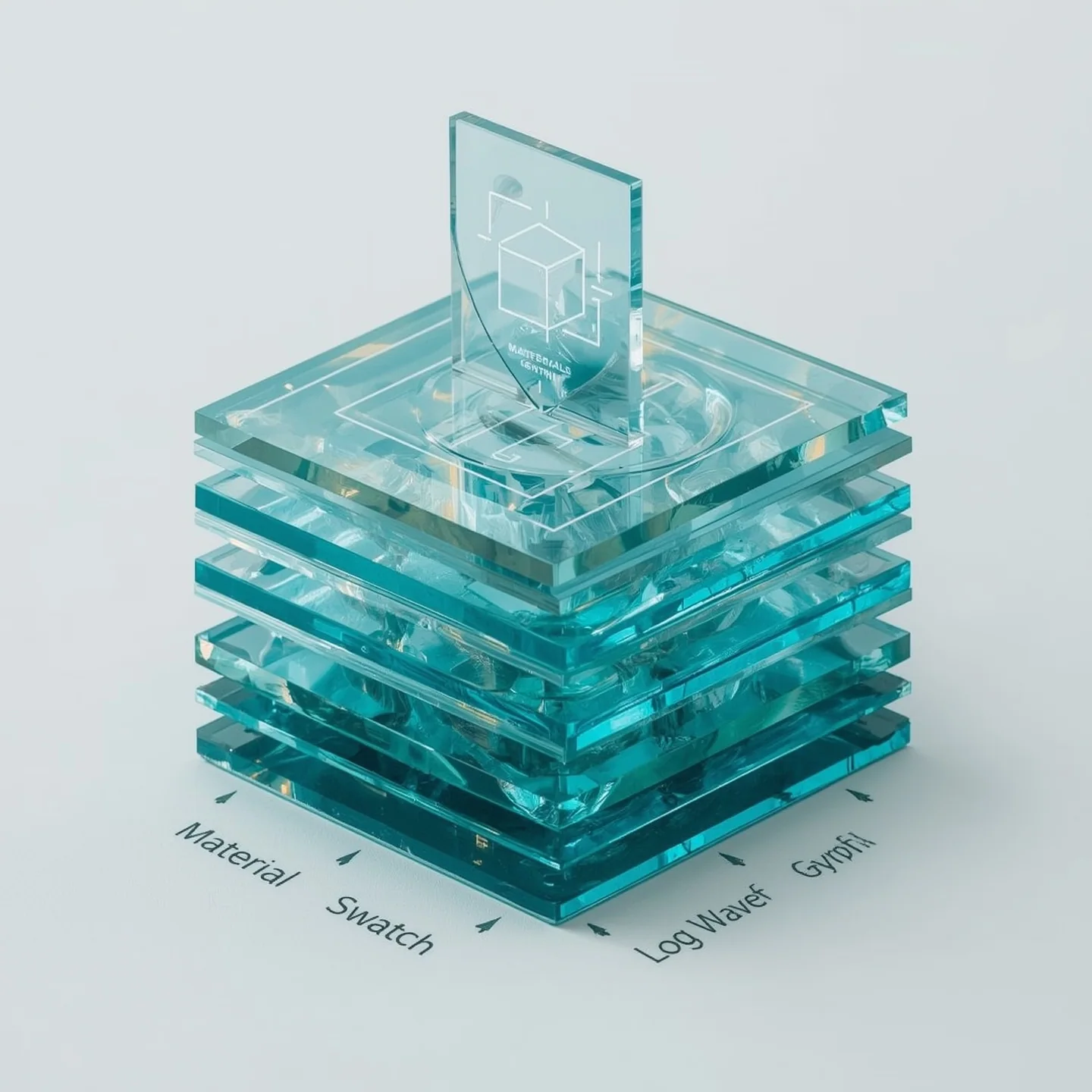
Centralize plans, materials, and thermal properties with vector search and metadata indexing. Enforce governance with roles, audit trails, and environment-scoped secrets.
One surface for plans, materials, physics checks, and 3D exports. SDKs for Python/JavaScript/C# and typed client stubs streamline integration.
Cloud, on-prem, or hybrid. Containerized services with Helm/Kubernetes charts, GPU scheduling, auto-scaling workers, and air-gapped options when required.
Central logging, metrics, and traces. Role-based access, audit logs, encrypted secrets, and environment isolation for dev/stage/prod.
Versioned models and prompts, artifact registry, CI/CD for models, canary rollouts, and dataset lineage—so updates are safe and reversible.
Queued jobs, GPU pooling, caching layers, and content-addressed storage keep latency low and utilization high across workloads.
GLTF/OBJ export with structured metadata for downstream 3D Builder / Architect pipelines and DCC tools.
Inside the project

GATAI
Tell us about your workflow, data, and goals. We’ll help define the next step.